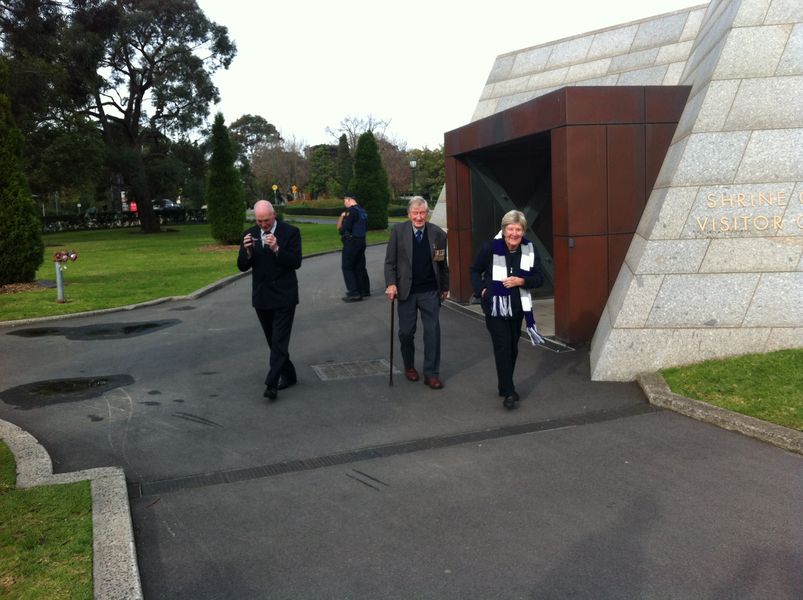
Photo courtesy of C. Sandell (grandson of VX73689 C. A. R. Douglas). id no. C_SANDELL_1854
Good afternoon, My name is Ken Hough, and I have entitled this talk today "The unfinished memoirs of VX23432, My Father.“
My fathers full name was Lance Sergeant Ernest Alfred Barker Hough VX23432 2nd/2nd Pioneer Battalion A.I.F. Commonly known by all as “Bluey “ [ red hair ].
When I started to put things together for today, I very quickly realised this is not going to be an easy task, ---trying to give a short talk about my Fathers 5 years with the 2/2nd Pioneers , from enlistment, to P.O.W. days, in just a few minutes, but I am going to give it a try, it is by no means the full story, and I have included reading passages from my fathers writings, obtained only after he passed away, telling about some of the difficulties he faced, and how he coped with them during his P.O.W. days.
My Father along with many others, enlisted in 1940 and became one of the 2/2 Pioneers. They came from all walks of life, and soon after training in various parts of Victoria from the main camp at Puckapunyal, they became a very disciplined and recognised Army Unit--- The 2nd/2nd Pioneer Battalion.
After many months of training the Pioneers boarded the Queen Mary and left Sydney on the 9th of April 1941 bound for the middle east. During the voyage, the men had to do training, along with various other activities, one of which was boxing tournaments and there is one person here today that became the runner up of the middleweight division, and I refer to our esteemed President Col Hamley. [well done ] etc etc ??? Left hook!
They arrived at the Port of Suez and disembarked on the 4 May 1941. The 2/2 Pioneers were only a part of the overall Palestine / Syrian campaign, and after further training [including sight seeing etc] the Battalion went into action on the 17 June 1941 at Fort Merdjayoun, and over a period time, suffered various hardships, casualties, and some Pioneers, paying the supreme sacrifice, and, today is the time we spend in memory of those times, and a day of reflection, of times that should never be forgotten.
After a period of about 9 months in Syria, they were then boarded on to the S.S. Orcades and left Syria on the 1st Feb 1942 for an unknown destination, only to find out it would be to assist in the defence of Singapore. On arrival in the area confusion reigned because of the swift advance of the Japanese and after further confusion they were off loaded in Java to assist the Dutch, in their defence of Java, just 3 days after the fall of Singapore, and without a substantial amount of equipment necessary to be effective.
After a brief encounter with the Japanese, at Leuwiliang and the capitulation of the Dutch, my father became a P.O.W. along with other nationalities on the 9 Mar 1942.
My Father writes-------
After realising we were P.O.W.s, quite a number of men took off in small groups on foot for the south coast of Java, hoping to get back to Australia. I decided to stay with the main body and my personal thoughts were of home, my wife and two sons aged 6 and 2. What would they think of me? Would they like me to give up, be morose, downhearted? I didn’t think so, I was going to be the opposite! I had a talk with the padre, not as a religious person, just as a mate, my attitude for me was, chin up, adapt to all conditions, and environments, enjoy [if possible] instead of hating it, it proved later my decision was the right one!!
At a camp site at Leles, and not seeing any Japanese for about 3 weeks, my first encounter with the Japanese was on a stroll around the village where we were camped. There was a small group of our men around a Japanese soldier, and in true fashion of the typical Aussie soldier, had taken his rifle from him for full inspection, trying it out for weight, sighting, and if it was better than ours, also a full inspection of, webbing gear, clothing etc, by the time they had finished I am sure he was more frightened of us than we were of him.
A short time later we were moved to Batavia [now Jakata] to the Dutch military barracks called “ Bicycle Camp “ [why It was called bicycle camp nobody knew!].
The buildings were long with small cubicles off a centre passage, 4 men allotted to each cubicle, very little comfort! Within the total compound there were various small shelters and buildings, but these soon were dismantled or disappeared in quick time by the inventive Aussie, to make bunks using rice sacks making things a little more comfortable.
About 2 weeks later the numbers were increased in the compound, from a U.S.A. Regiment and survivors of the Sunda Straits Naval battle, men from the “Perth“ and the U.S.N. “Houston“ who were in a very bad state, and were cared for by our men, providing the necessary assistance, clothing, etc, to the survivors, from our own meagre possessions.
All told there was about 3000 men at this camp and all were under strict Japanese control, a lot of doos and donts and learning to bow, with Indignity and a word they did not hear, the food consisted of rice three times a day and a watery stew [if you could call it that !].
Work parties left the camp each day loading or unloading cargo, cleaning up bomb damage and moving fuel drums to smaller dumps well apart, when moving these fuel drums, they were always laid on there sides with the bung down, and being the inventive Aussie, a tool was made to loosen the bung and hoped the fuel would leak out, once or twice there was an explosion in the smaller dumps, and we wondered if the Japs ever found out why?.
We had just about settled down to the idea that we would be spending our days here when word came, that a move was on, and we were going to Burma to build a railway, nobody knew what it was about, or what lay ahead for us.
The first party, about 1500 men, known as Williams force was made up from all groups within the camp, irrespective, and left late August, I was laid up sick at this time so missed out going with a lot of my mates, and being left behind did not see them again for nearly two years.
We left from Batavia early October, on a small Japanese trading ship, all our party jammed into the aft hold like sardines, there was no way we could do anything about it, it was every man for himself, [further descriptions of this nightmare, of about 1000 men, and a week of travel in very confined conditions in the tropics can only best be left to the imagination.]
Malaria and Dengue fever came to the fore during the trip, many bad cases, little or no medical help to combat it. We eventually arrived in Singapore, many had difficulty in getting off the ship due to weakness, one of them, my old mate a digger from the first world war, [had lowered his age to enlist] had malaria and was in a bad way, but it was just plain guts and determination, he would not accept any help of assistance, in his mind, was not going to let the Japs know he was not able to make it, and I refer to our Wally Peeler V.C. VX8345.
We were a very sorry mess that got off the ship in Singapore, it was one hell of a nightmare, and we were pleased it was behind us.
After about 6 to 8 weeks at Changi, late December 1942, we were told another move was on, nine months as a P.O.W. with our future still in doubt! Early January 1942, we were loaded onto a long train of empty freight cars, 25 into each, and a very uncomfortable, cramped, journey overnight to Penang was endured, nearly as bad as the boat trip!!
A very short time was spent in Penang and we were then loaded onto two small trading ships and headed north, conditions were even worse than the first ship, but they were forced to be endured. Three days into the journey both ships were bombed by allied aircraft, one was hit and sunk, and the ship I was on was hit and suffered deaths and casualties, and also picking up survivors of the sunken ship making life on board our ship even more difficult! [ unimaginable ]
The next day we arrived at Moulmein and after being unloaded from the ship we made camp, which was in fact a JAIL. Uncomfortable as it was, my prospect of sleep was eased when a mate came to the rescue, when leaving the ship he brought with him a life jacket hidden from the Japanese, for what reason, ? other that it might come in handy. Just before dark, we slit them open to be amazed how much kapok was in them, we packed it into a couple of rice sacks we had, result a kapok bed! My mattress, as I called it, was a boon to me for the rest of my P.O.W. days.
In the short stay at the Moulmein Jail, we made friendships in groups of four to six which for most of us, was endured for the remainder of the time. Our group, were two 2/3rd machine gunners from South Australia, a Queenslander who got away from Singapore and joined our battallion in Java, myself, a Pioneer, from Victoria, and a Western Australian, unlucky, should not have been there at all.
After some further brief descriptions of life beginning at 18 Kilo camp my fathers writings finished mid sentence and I do not know anything from that time on, hence my opening, the unfinished memoirs of VX23432.
Some of my father's achievements gained during his time after the war, were-----
A very active member of the Frankston R.S.L. early days [prod. monthly mag].
President of the 2/2 Pioneer Association 1953.
Life member of the Langwarrin Football club.
Life member of the Nepean Football League.
U3A Wrote an article re P.O.W. days and was published in Geelong Advertiser.
A very respected member of the community, and a proud Grandfather of several grand children.
Also a “ Richmond “ supporter.
Unfortunately, my father moved away from the Frankston area, and I lost close contact in latter years. He passed away in 1989, and is buried in Geelong.
My Grandfather enlisted in the Boer War 1899 in Hobart, his service no was No 55.
My father had two brothers in the forces, one in the A.I.F., the other in the Navy, all returned safely.
My father also had a son in the defence force,-- Lance Bdr Kenneth Alfred Hough 10th Field regiment RAR 3 / 718933. [Nat Service 53].
It has been an extreme honour and privilege for me to be able to present this address to you all, in this sacred place, The Shrine of Remembrance.
I wish you all the very best for the future, and we are blessed to have this organisation, the 2/2 Pioneers, Jenny, and the committee, to keep the memories alive.
Thank you.
(Note that Ken Hough asserts his rights of ownership of the preceeding address and information content. He has kindly allowed the address and information to become part of the 2/2 Pioneer Battalion website and no commercial benefit or copy may be made of it.)
Photo courtesy of C. Sandell (grandson of VX73689 C. A. R. Douglas). id no. C_SANDELL_1854
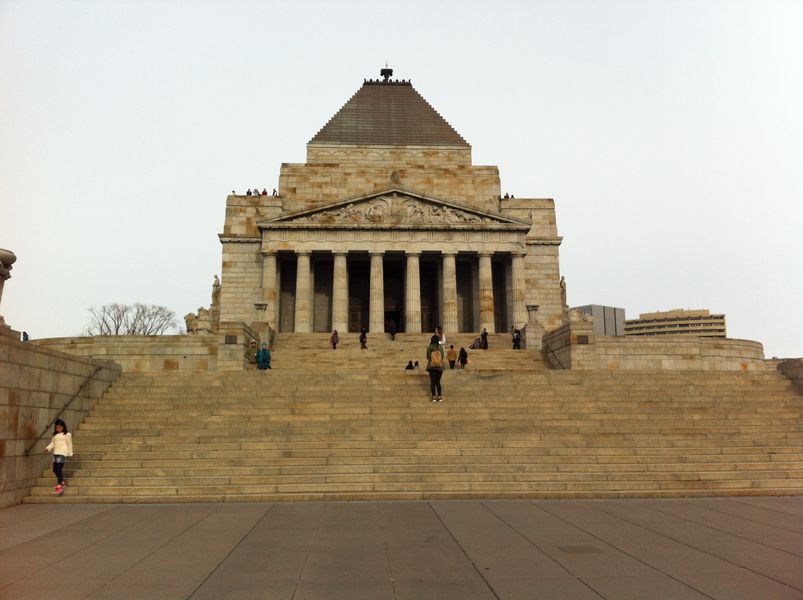
Photo courtesy of C. Sandell (grandson of VX73689 C. A. R. Douglas). id no. C_SANDELL_1855
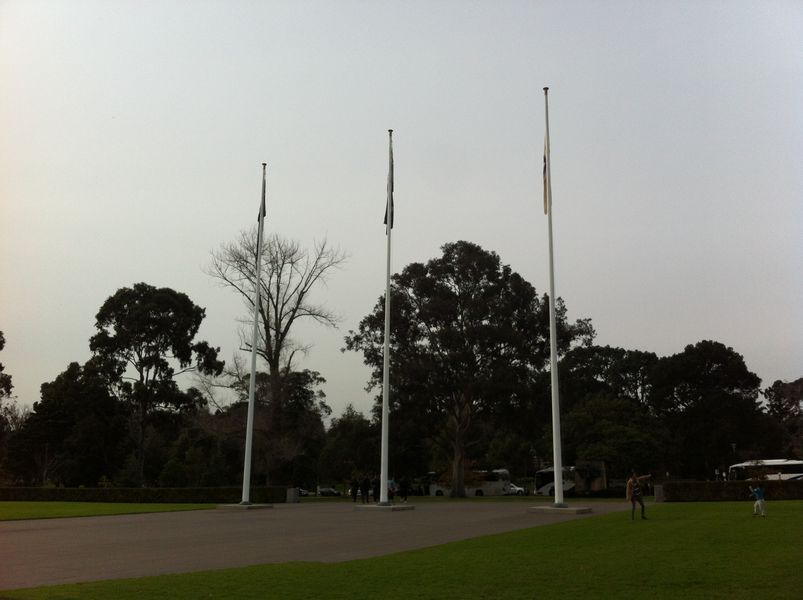
Photo courtesy of C. Sandell (grandson of VX73689 C. A. R. Douglas). id no. C_SANDELL_1856
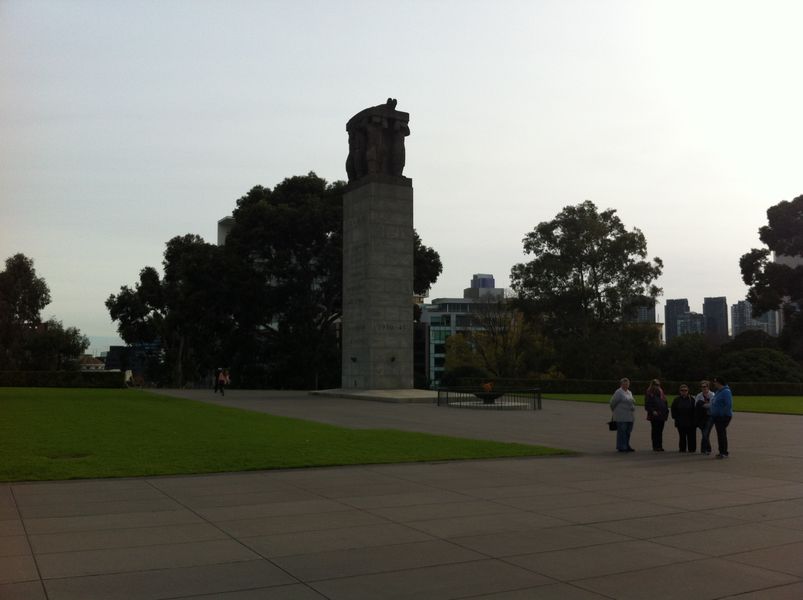
Photo courtesy of C. Sandell (grandson of VX73689 C. A. R. Douglas). id no. C_SANDELL_1857
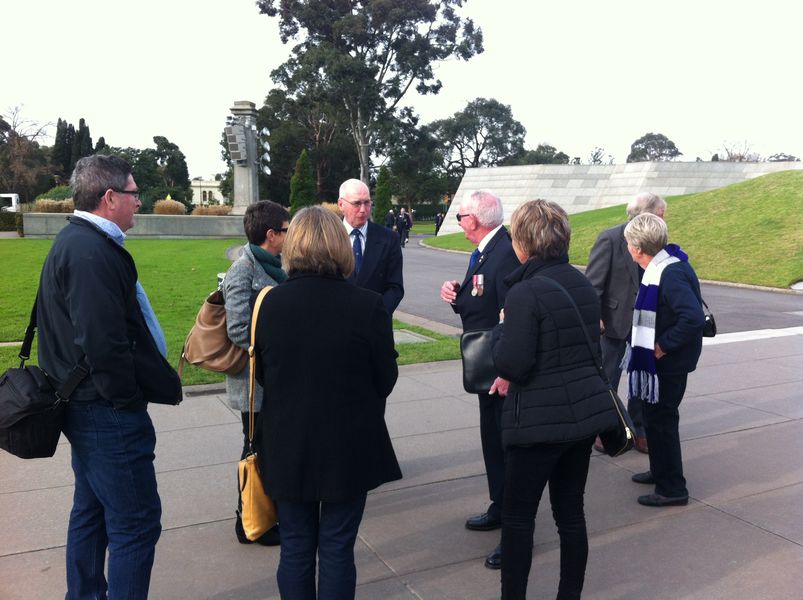
Photo courtesy of C. Sandell (grandson of VX73689 C. A. R. Douglas). id no. C_SANDELL_1858
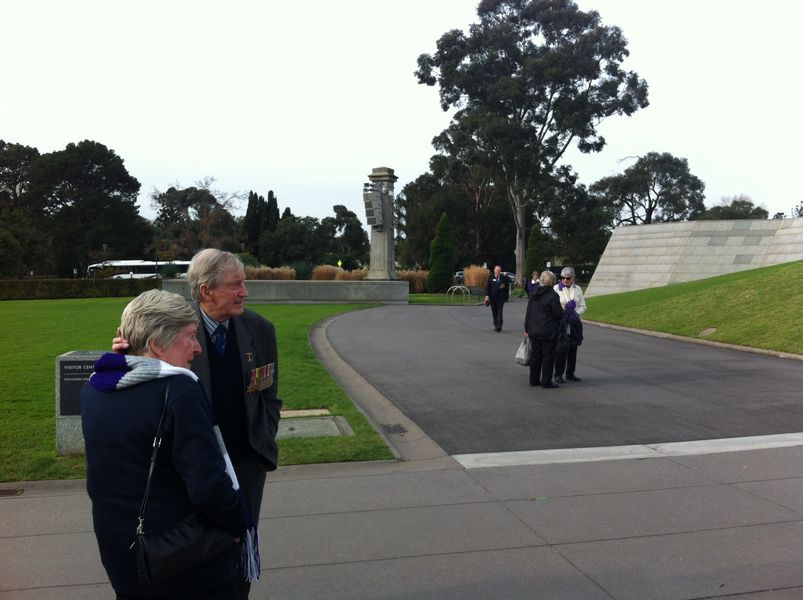
Photo courtesy of C. Sandell (grandson of VX73689 C. A. R. Douglas). id no. C_SANDELL_1859
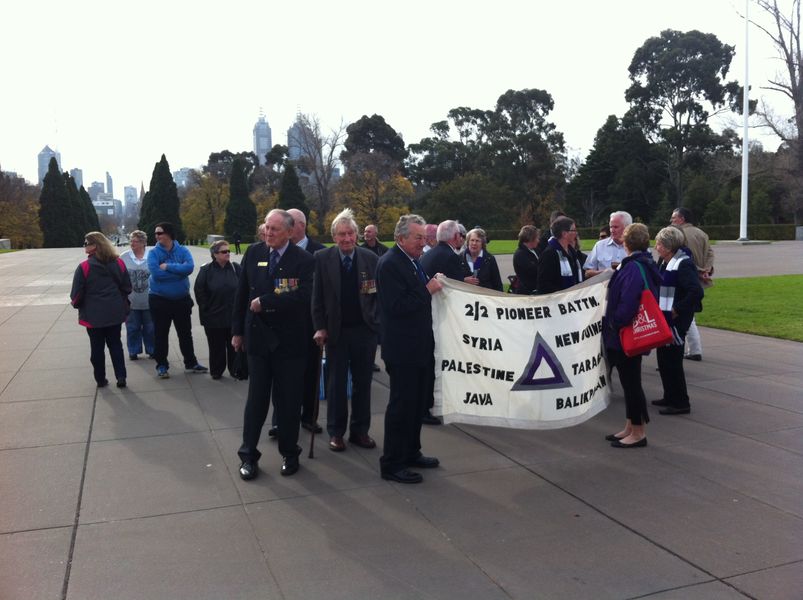
Photo courtesy of C. Sandell (grandson of VX73689 C. A. R. Douglas). id no. C_SANDELL_1860
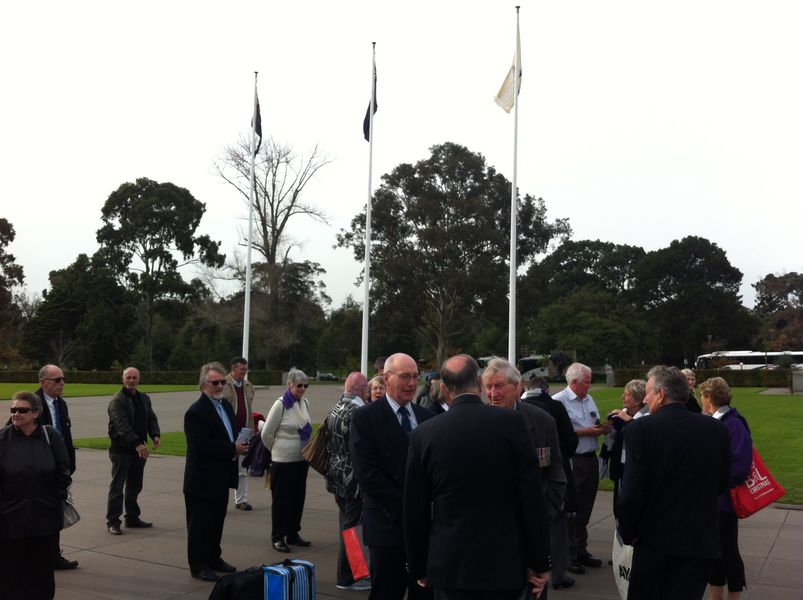
Photo courtesy of C. Sandell (grandson of VX73689 C. A. R. Douglas). id no. C_SANDELL_1861
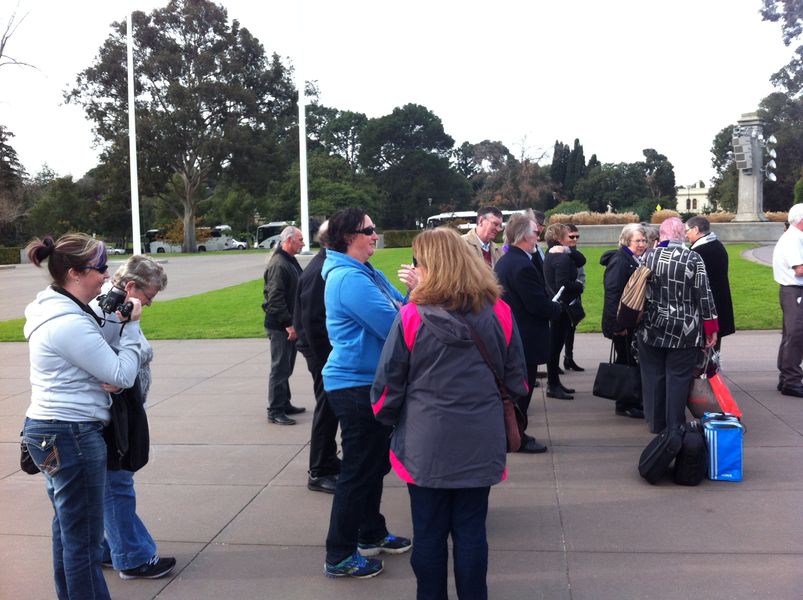
Photo courtesy of C. Sandell (grandson of VX73689 C. A. R. Douglas). id no. C_SANDELL_1862
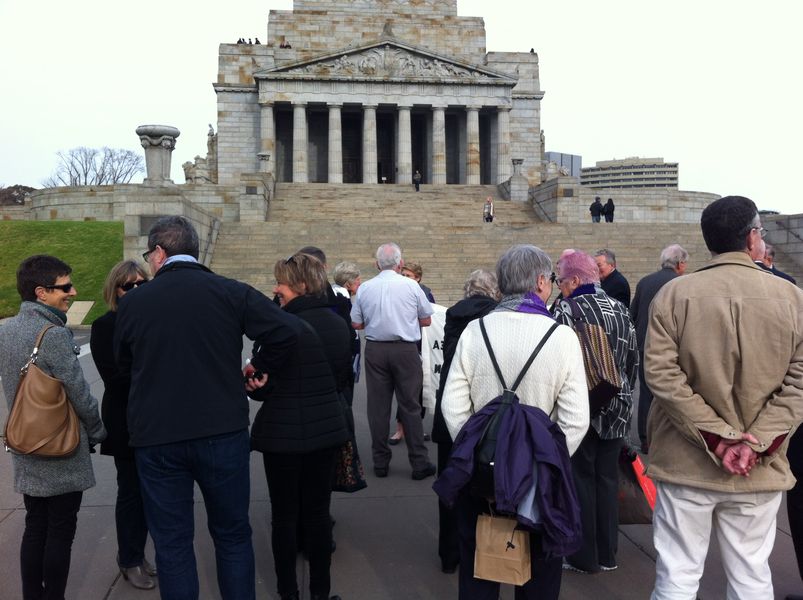
Photo courtesy of C. Sandell (grandson of VX73689 C. A. R. Douglas). id no. C_SANDELL_1863
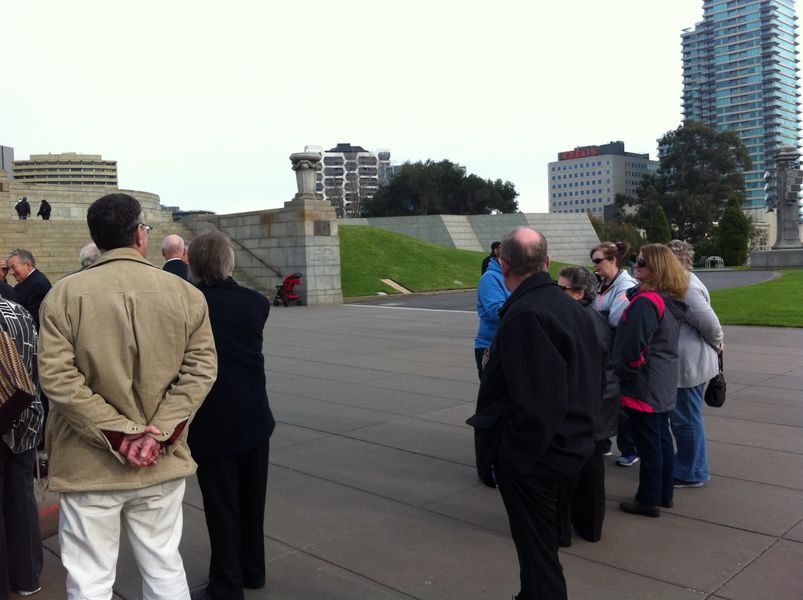
Photo courtesy of C. Sandell (grandson of VX73689 C. A. R. Douglas). id no. C_SANDELL_1864
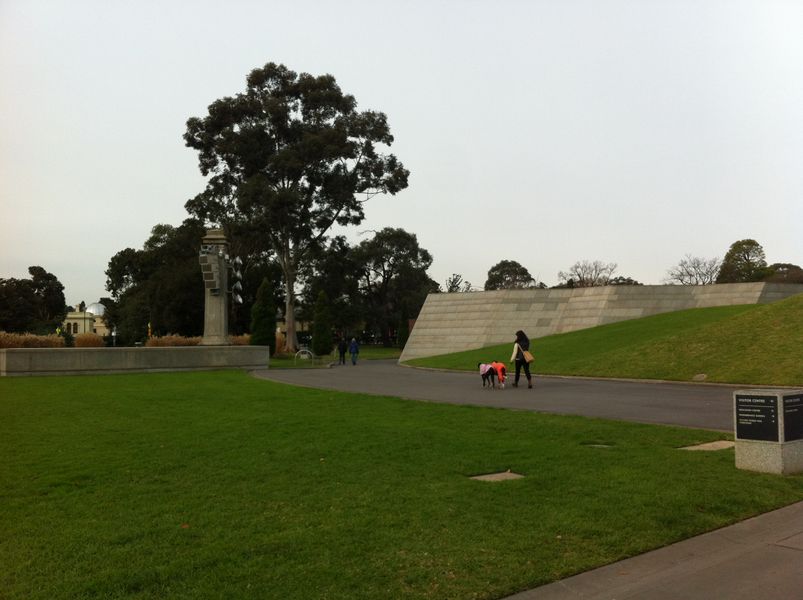
Photo courtesy of C. Sandell (grandson of VX73689 C. A. R. Douglas). id no. C_SANDELL_1865
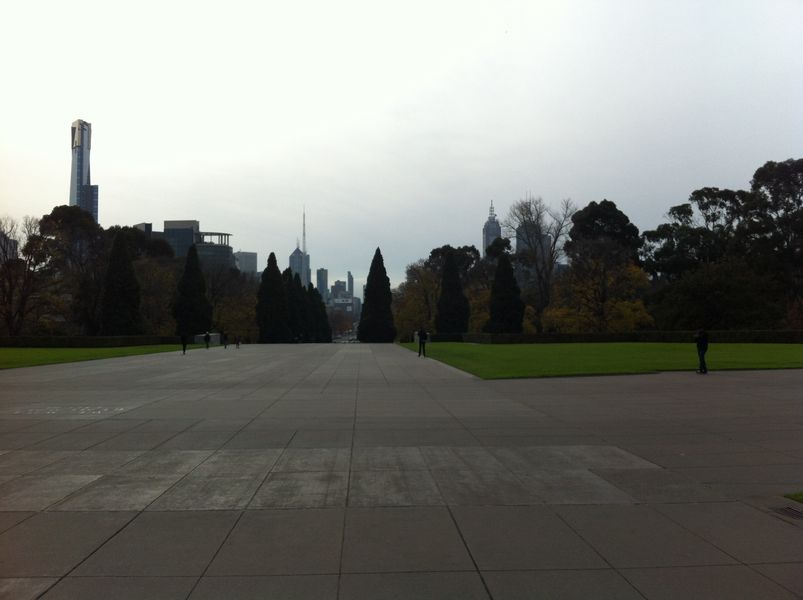
Photo courtesy of C. Sandell (grandson of VX73689 C. A. R. Douglas). id no. C_SANDELL_1866
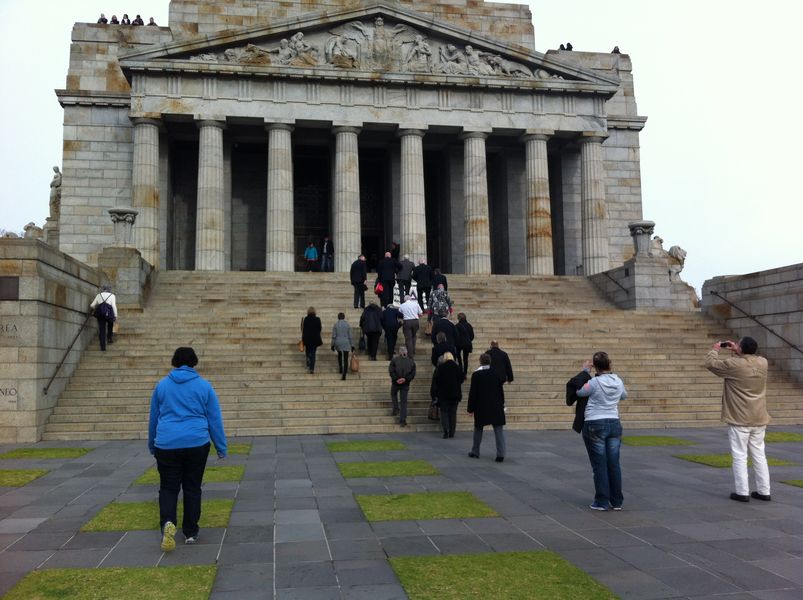
Photo courtesy of C. Sandell (grandson of VX73689 C. A. R. Douglas). id no. C_SANDELL_1867
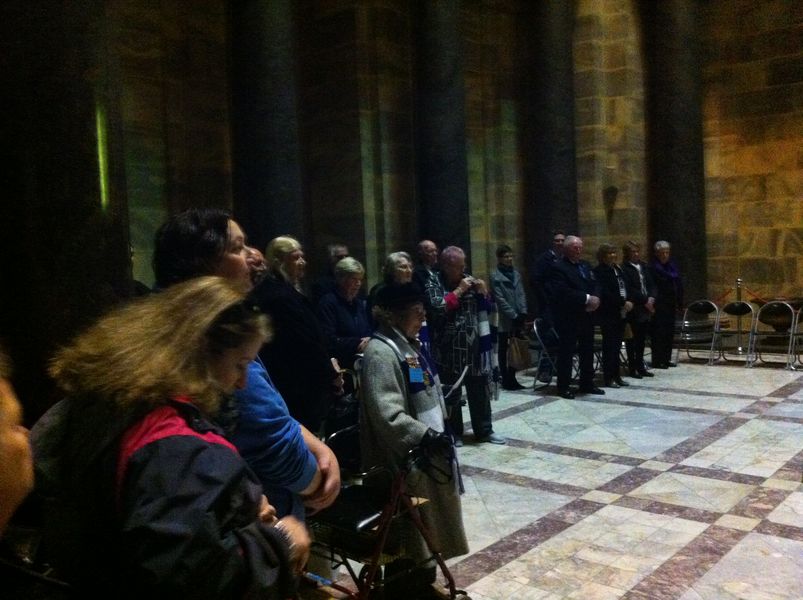
Photo courtesy of C. Sandell (grandson of VX73689 C. A. R. Douglas). id no. C_SANDELL_1868
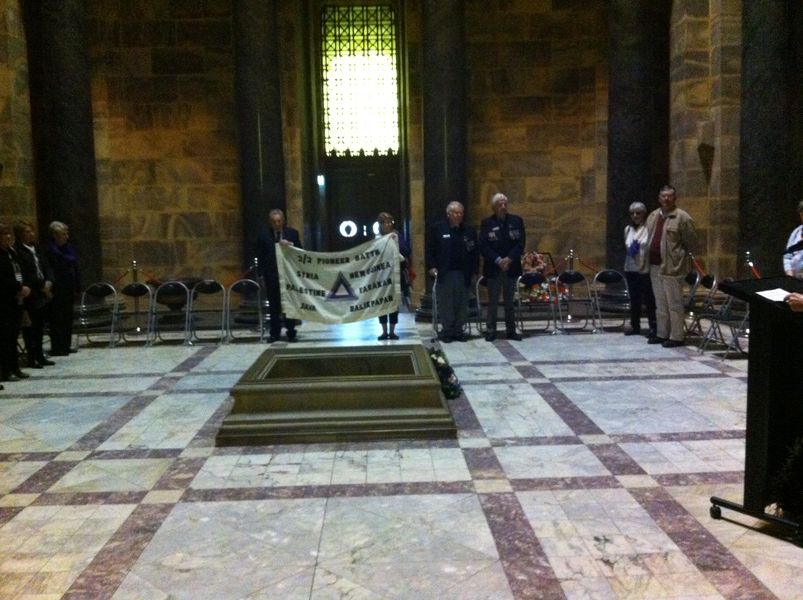
Photo courtesy of C. Sandell (grandson of VX73689 C. A. R. Douglas). id no. C_SANDELL_1869
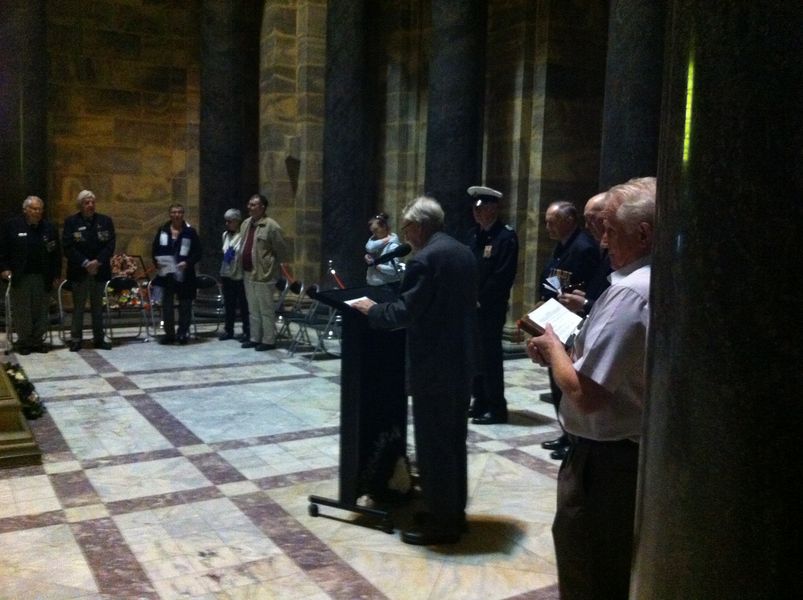
Photo courtesy of C. Sandell (grandson of VX73689 C. A. R. Douglas). id no. C_SANDELL_1870
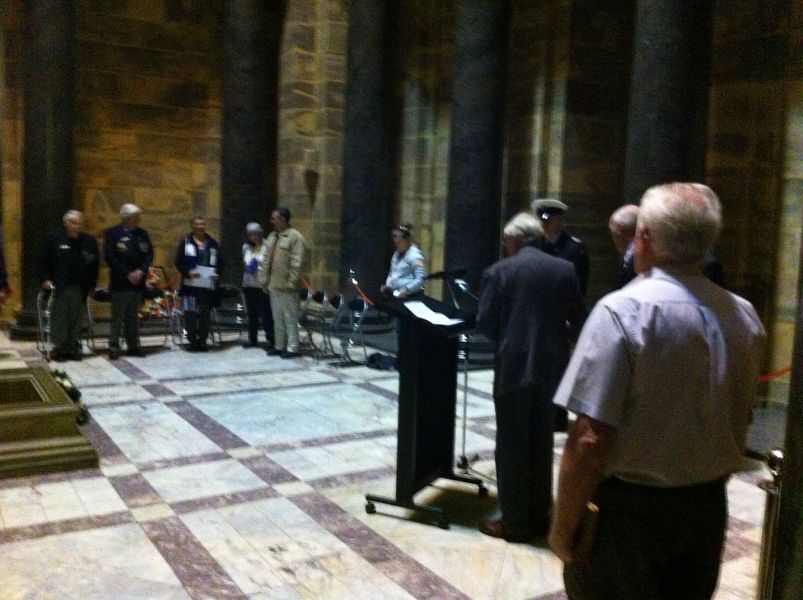
Photo courtesy of C. Sandell (grandson of VX73689 C. A. R. Douglas). id no. C_SANDELL_1871
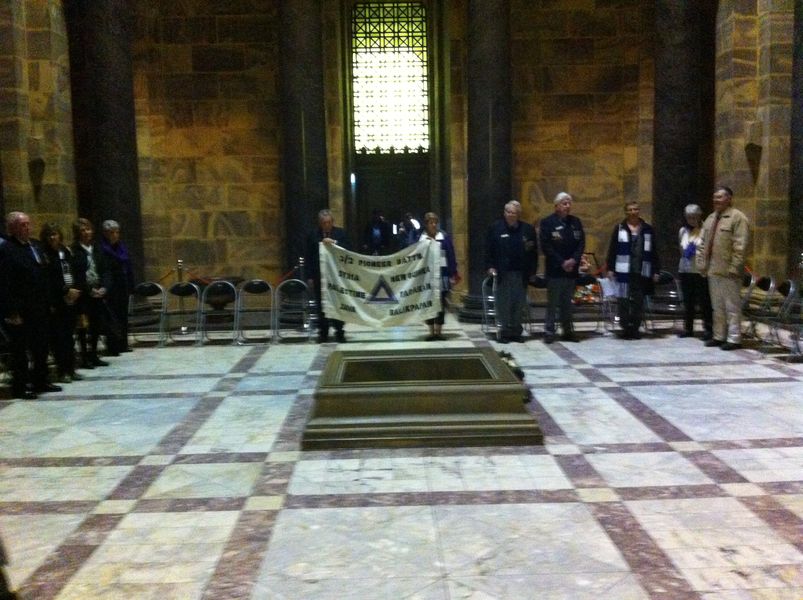
Photo courtesy of C. Sandell (grandson of VX73689 C. A. R. Douglas). id no. C_SANDELL_1872
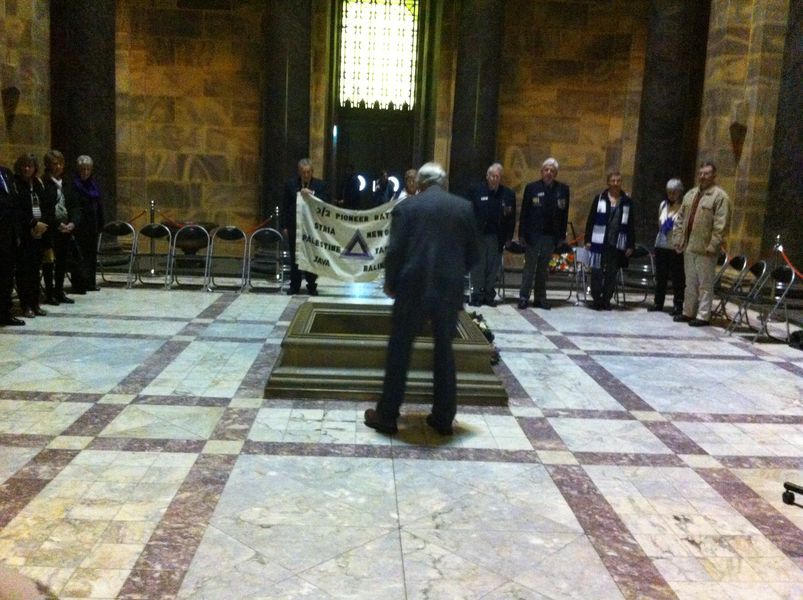
Photo courtesy of C. Sandell (grandson of VX73689 C. A. R. Douglas). id no. C_SANDELL_1873
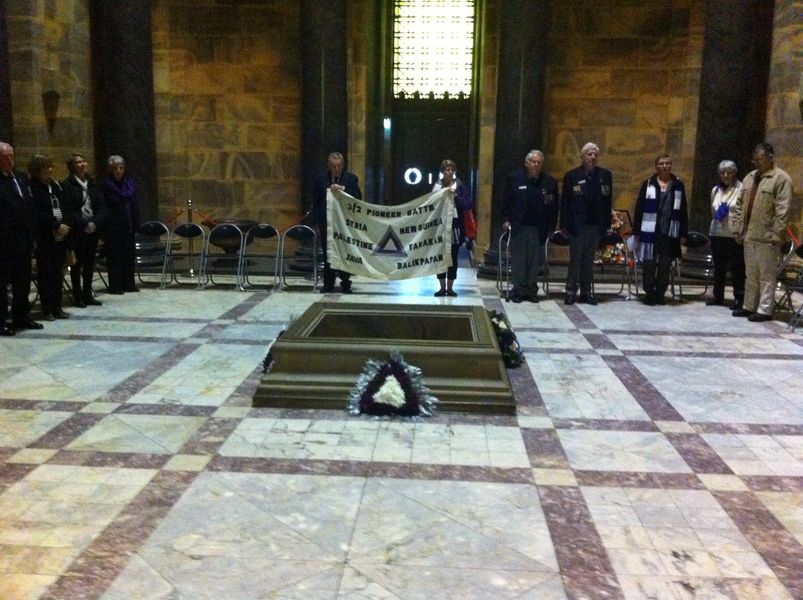
Photo courtesy of C. Sandell (grandson of VX73689 C. A. R. Douglas). id no. C_SANDELL_1874
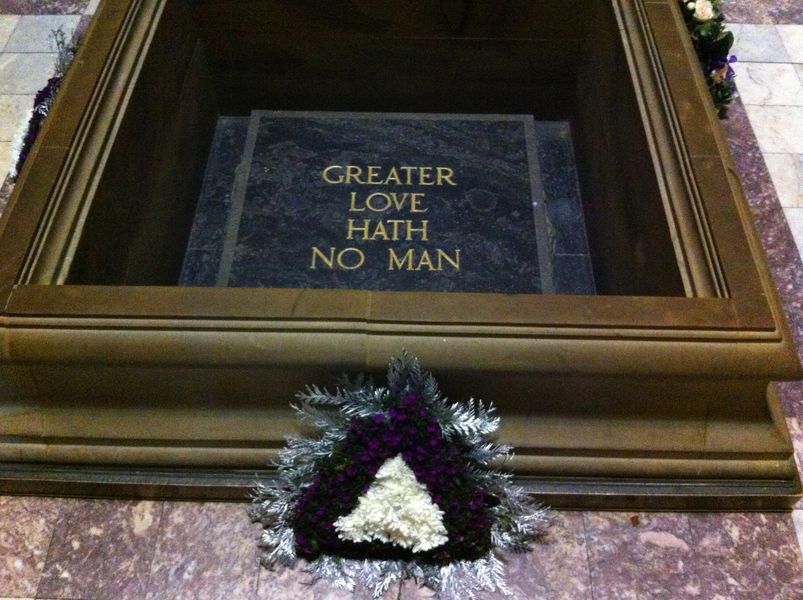
Photo courtesy of C. Sandell (grandson of VX73689 C. A. R. Douglas). id no. C_SANDELL_1875
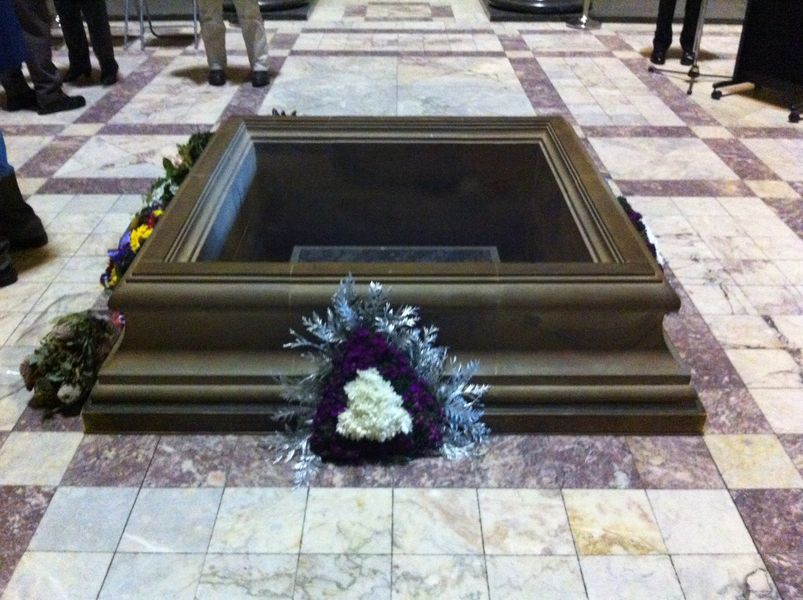
Photo courtesy of C. Sandell (grandson of VX73689 C. A. R. Douglas). id no. C_SANDELL_1876
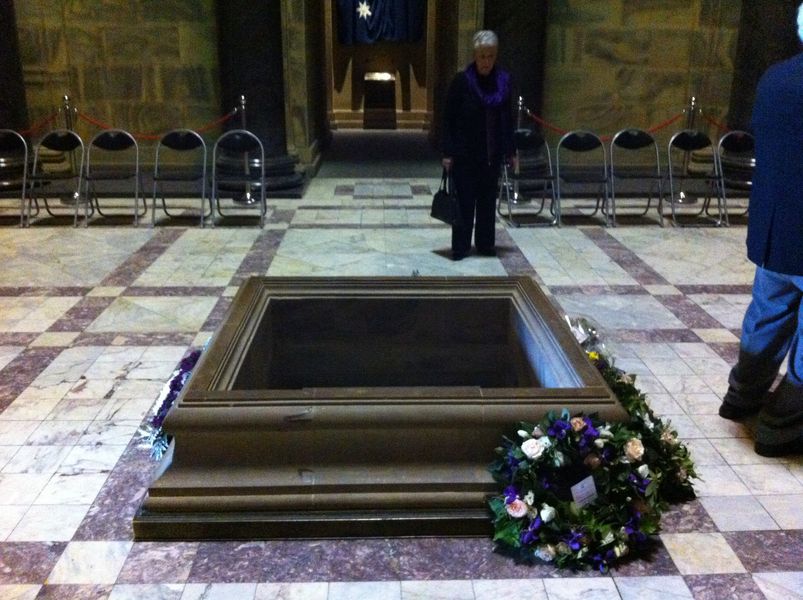
Photo courtesy of C. Sandell (grandson of VX73689 C. A. R. Douglas). id no. C_SANDELL_1877
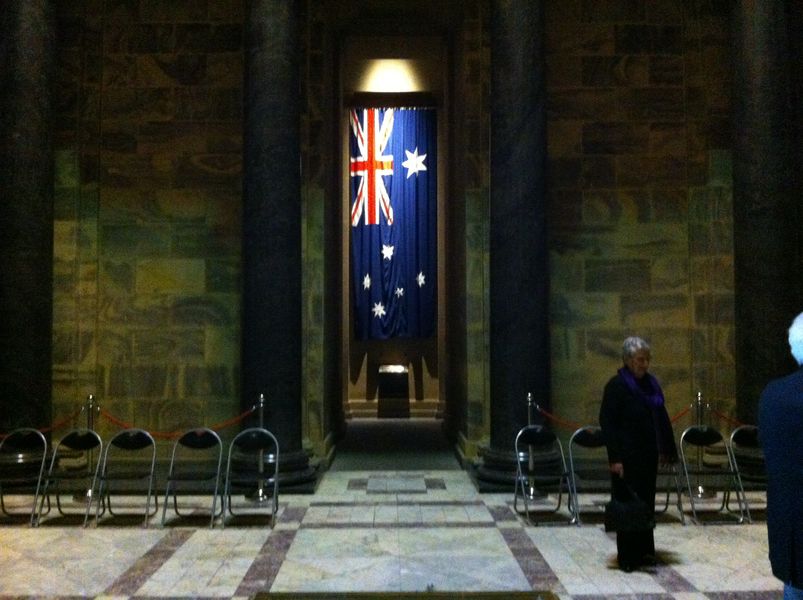
Photo courtesy of C. Sandell (grandson of VX73689 C. A. R. Douglas). id no. C_SANDELL_1878
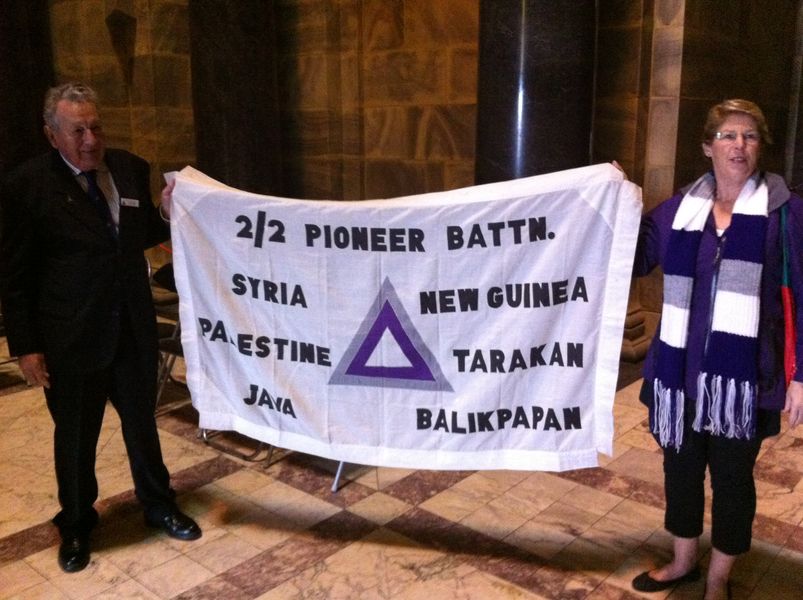
Photo courtesy of C. Sandell (grandson of VX73689 C. A. R. Douglas). id no. C_SANDELL_1879
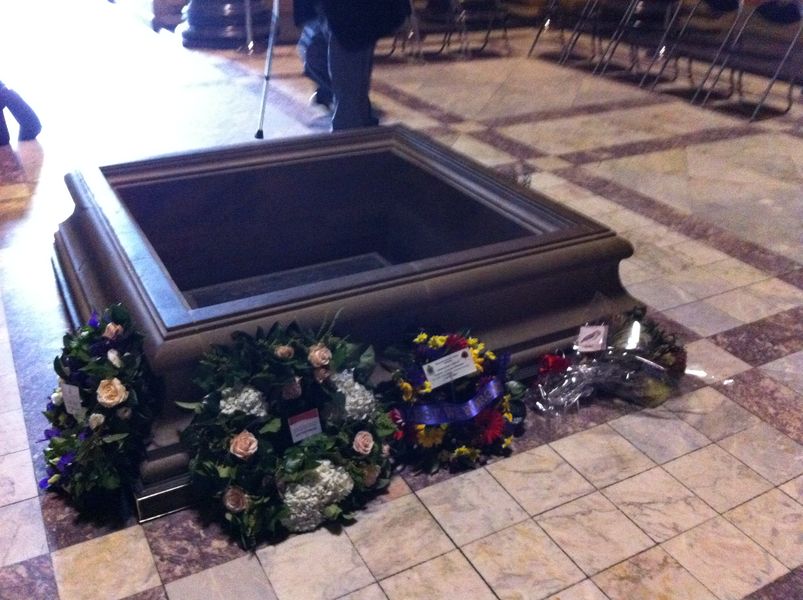
Photo courtesy of C. Sandell (grandson of VX73689 C. A. R. Douglas). id no. C_SANDELL_1880
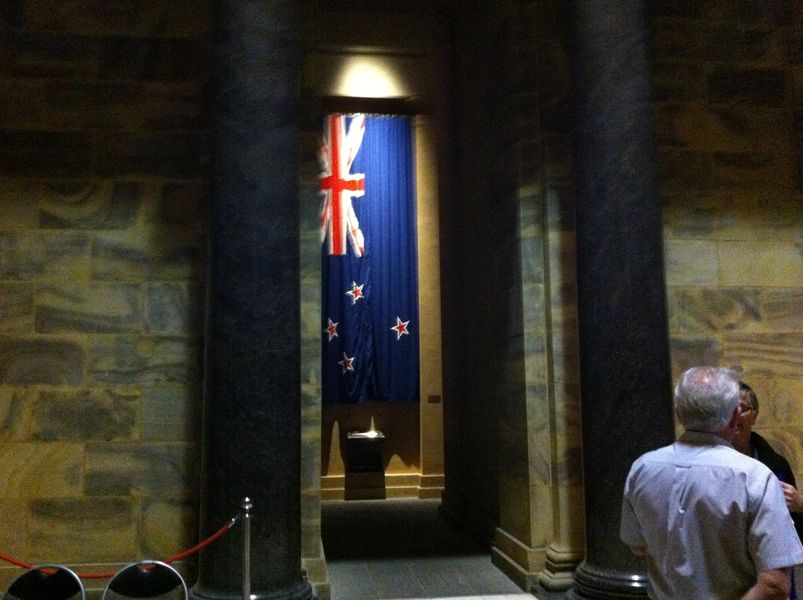
Photo courtesy of C. Sandell (grandson of VX73689 C. A. R. Douglas). id no. C_SANDELL_1881
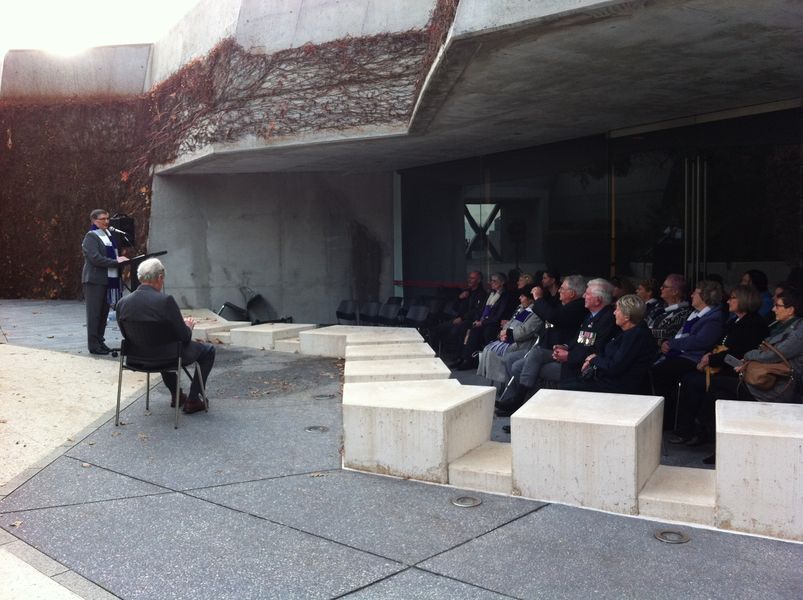
Photo courtesy of C. Sandell (grandson of VX73689 C. A. R. Douglas). id no. C_SANDELL_1882
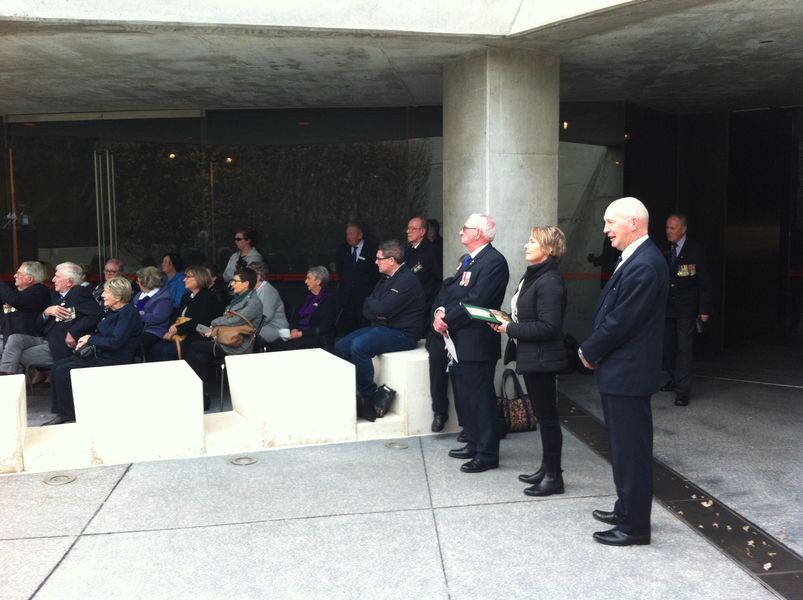
Photo courtesy of C. Sandell (grandson of VX73689 C. A. R. Douglas). id no. C_SANDELL_1883
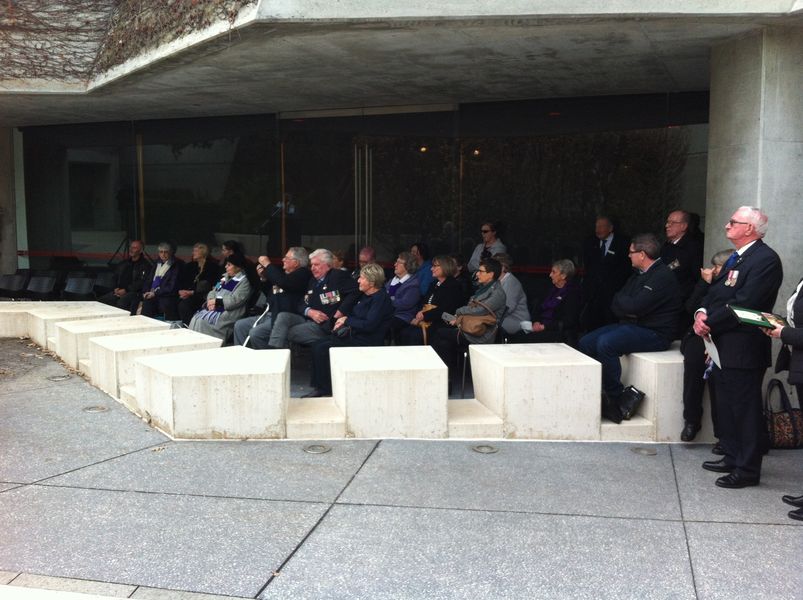
Photo courtesy of C. Sandell (grandson of VX73689 C. A. R. Douglas). id no. C_SANDELL_1884
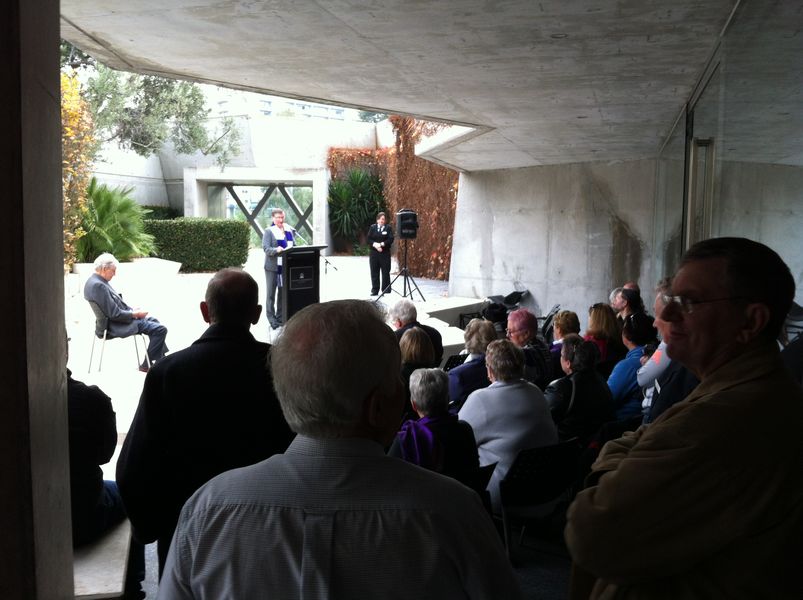
Photo courtesy of C. Sandell (grandson of VX73689 C. A. R. Douglas). id no. C_SANDELL_1885
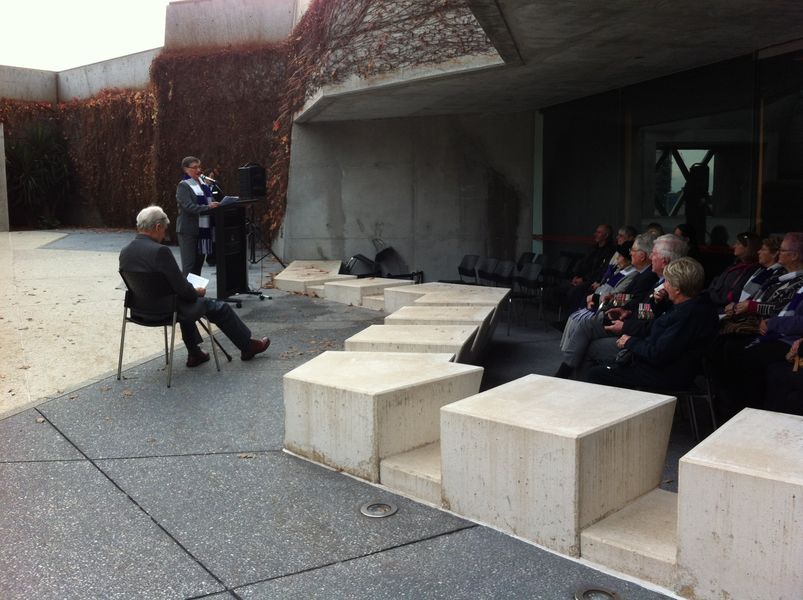
Photo courtesy of C. Sandell (grandson of VX73689 C. A. R. Douglas). id no. C_SANDELL_1886